Best THC-Free CBD Cream for Muscle Recovery: A Buyer's Guide
11 min read · July 22, 2026
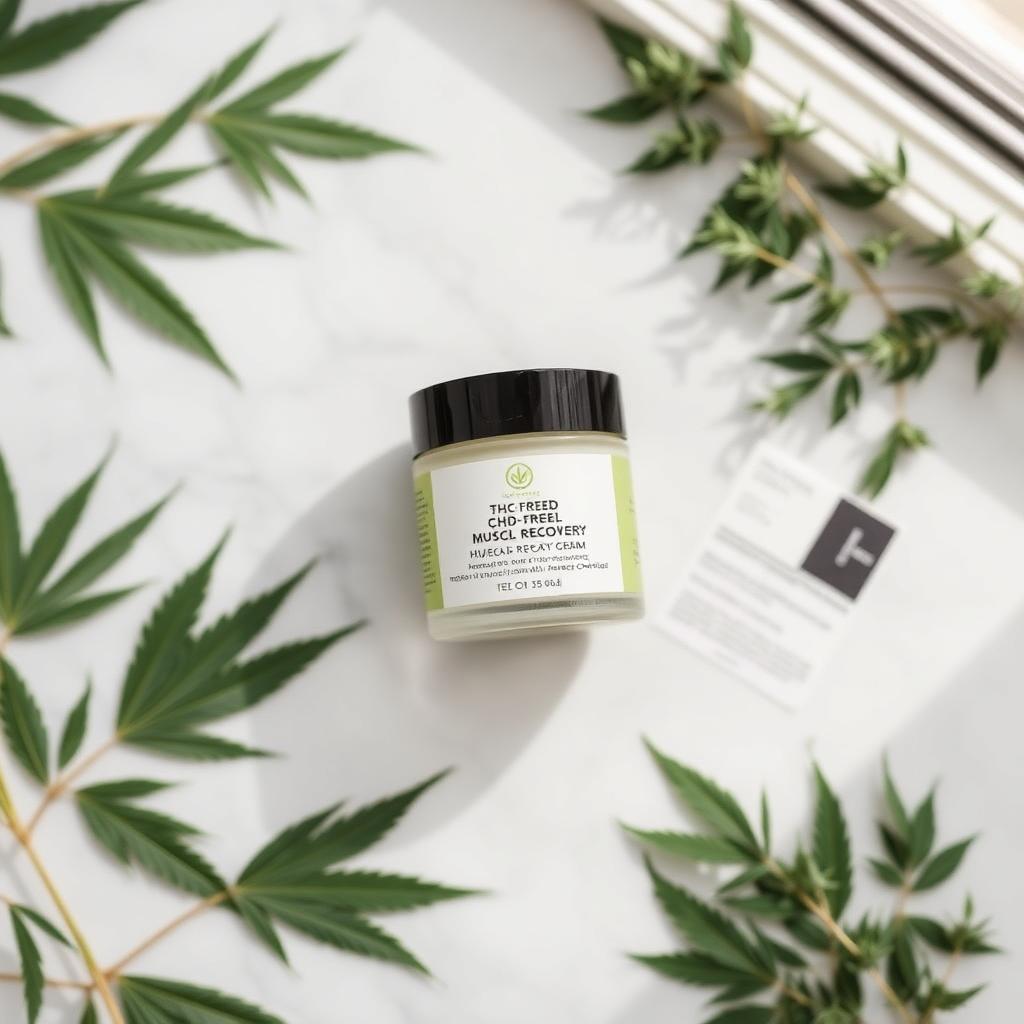
Shopping for the best THC-free CBD cream for muscle recovery can feel harder than it should be. Walk into any wellness aisle or scroll through any online store, and you'll see dozens of jars promising "fast relief" or "maximum strength," with almost no way to tell which ones are actually worth your money.
This guide is meant to cut through that. Instead of ranking specific competitor brands, we'll walk through the actual features and details that separate a well-made, transparent CBD cream from one that's just good marketing. By the end, you'll know exactly what to check on a label, what a lab report should actually tell you, and which buying mistakes to avoid.
One thing we won't do here: promise that CBD cream is a scientifically proven cure for sore muscles. It isn't, at least not based on the clinical research available today. What we can help with is making sure that if you do decide to try one, you're buying a quality product and using it in a way that makes sense.
Why Choose THC-Free CBD Cream?
THC-free CBD cream refers to products made with either broad-spectrum CBD (which retains other plant compounds but removes detectable THC) or CBD isolate (pure CBD with no other cannabinoids at all). This is different from full-spectrum CBD, which legally contains up to 0.3% THC.
Drug testing concerns. Even trace THC in full-spectrum products has, in rare cases, been reported to trigger a positive result on a drug test. THC-free options remove that risk almost entirely, which matters for athletes, employees subject to workplace testing, or anyone in a safety-sensitive role.
No psychoactive concern. While CBD itself doesn't produce a high regardless of spectrum type, some people prefer to avoid THC entirely as a personal choice, even at legally permitted trace levels.
Simpler peace of mind while traveling. THC-free products can reduce complications when crossing state or international lines, though it's still worth checking local laws, since legality can vary by location regardless of THC content.
Family or workplace considerations. Some people simply feel more comfortable using or keeping a product at home or work knowing it contains no THC at all, even trace amounts.
It's worth noting that THC-free doesn't automatically mean "better" for recovery purposes. The research gap discussed in our companion article, Does CBD Cream Actually Work for Sore Muscles?, applies to CBD topicals broadly, regardless of whether they contain trace THC or not.
How CBD Cream Supports Recovery
CBD cream is applied directly to the skin, where it's thought to interact with cannabinoid receptors in nearby tissue as part of the body's endocannabinoid system, a network involved in regulating pain signaling and inflammation. Because it's applied topically rather than ingested, very little CBD is believed to reach the bloodstream, which is part of why it's considered a localized approach rather than a whole-body one.
It's important to be upfront here: current clinical research specifically testing topical CBD for exercise-induced muscle soreness is limited, and a couple of small controlled studies have found no significant difference between CBD cream and a placebo cream for perceived soreness or muscle damage markers.
That doesn't mean CBD cream can't be a reasonable part of a recovery routine. Many people find the process of applying and massaging a cream into sore muscles genuinely soothing, and low-risk topical products can be a comfortable addition alongside recovery basics with stronger evidence behind them, like sleep, hydration, and proper training progression.
What to Look for Before Buying
Here's the core checklist to run through before adding any CBD cream to your cart.
A certificate of analysis (COA). This is non-negotiable. A legitimate COA, from an accredited third-party lab, confirms actual CBD content and verifies THC stays under the legal 0.3% threshold (or shows non-detectable THC for isolate and many broad-spectrum products). You can view our Lab Testing & COAs for every product we sell.
Clear spectrum labeling. The product should clearly state whether it's full-spectrum, broad-spectrum, or isolate, so you know exactly what you're buying.
A full, transparent ingredient list. Look for ingredients listed in descending order by weight, using common names you can actually understand or look up.
Reasonable, non-medical claims. Be cautious of any product claiming to cure, treat, or eliminate any disease or condition. These are exactly the kinds of claims the FDA has issued warning letters over.
Manufacturer transparency. A legitimate company should list its name and location clearly on the packaging, not hide behind a generic label.
Batch or lot numbers. This allows you to match your specific product to its corresponding lab report, since potency and quality can vary batch to batch.
Important Ingredients
Beyond CBD itself, most muscle recovery creams include supporting ingredients that contribute their own effects, sometimes more noticeably than the CBD does. Knowing what's in the jar helps you understand what you're actually feeling when you apply it.
Menthol provides a cooling sensation and mild topical analgesic effect; high concentrations can feel harsh on sensitive skin.
Arnica is a traditional topical ingredient used for bruising and soreness, with a long history of use and mixed clinical evidence.
Capsaicin, derived from chili peppers, creates a warming sensation and can cause a strong burning feeling in sensitive skin.
Essential oils like eucalyptus, camphor, and lavender add scent and mild sensory effects, but can also trigger irritation or allergic reactions in some users.
Shea butter and coconut oil serve as moisturizing bases, generally well tolerated and helpful for cream texture and skin feel.
MCT oil and other carrier oils help dissolve and deliver CBD into the formula; these are common and generally well tolerated.
If you have sensitive skin or known allergies, check this list closely before buying, since a reaction to menthol or an essential oil can easily be mistaken for a reaction to the CBD itself.
Understanding CBD Strength
CBD cream potency is usually listed as total milligrams (mg) of CBD per container, for example "1000mg CBD cream, 2oz jar." To understand actual concentration, divide the total mg by the size of the product.
A 1000mg cream in a 2oz (60ml) jar works out to roughly 16.6mg of CBD per milliliter, which is a helpful way to compare products of different sizes rather than comparing total mg alone. A smaller jar with a lower total mg count can actually be more concentrated than a larger jar with a bigger number on the label, so don't assume "more mg" automatically means "stronger."
There's currently no scientifically established "ideal" dose for topical CBD, since human clinical research on dosing for topical use is still limited. Many people start with a lower-concentration product to gauge their skin's response and their own sense of whether it's noticeably helping, before committing to a higher-strength option.
Third-Party Lab Testing (COAs)
A certificate of analysis is the single most important document connected to any CBD product, and it's worth understanding what it actually shows.
Cannabinoid potency confirms actual CBD content matches (or is reasonably close to) what's listed on the label.
THC content verifies the product stays under the legal 0.3% threshold, or shows non-detectable levels for isolate and many broad-spectrum products.
Contaminant screening ideally checks for heavy metals, pesticides, residual solvents, and microbial contaminants, not potency alone.
Batch or lot matching means the COA should correspond to the specific batch number on your product's packaging, not just a general product-line test done once.
Accredited lab information should include the testing lab's name and accreditation, so you can verify it's an independent, legitimate facility rather than an in-house or unverifiable source.
If a brand can't produce a current, batch-matched COA on request, that's a meaningful red flag, regardless of how polished their packaging looks.
How to Read CBD Labels
CBD labels can be confusing, partly because there's still no single unified federal labeling standard specific to CBD products. Here's how to make sense of what you're looking at:
"Full-spectrum," "broad-spectrum," or "isolate" tells you what other compounds are present alongside CBD, and whether any THC is included.
Total CBD content (mg) is the total amount of CBD in the entire container, not the amount per serving or application.
Suggested use guidance explains how much to apply and how often, understanding that this is a manufacturer recommendation rather than a clinically established dose.
QR codes linking to lab results are now included by many reputable brands, giving direct access to a batch-specific COA. This has become close to a standard expectation for brands selling through major retailers.
Warnings and disclaimers should include a clear statement that the product isn't intended to diagnose, treat, cure, or prevent any disease, along with any relevant allergen or usage warnings.
It's also worth knowing that CBD regulation has continued to shift. As of 2026, federal oversight of CBD products remains an evolving area, with ongoing discussions in Congress and at the FDA about a more defined regulatory pathway. This doesn't mean CBD creams are currently illegal to sell or buy, but it's a reminder that label requirements and legal definitions can change, so it's worth choosing brands that stay current with compliance rather than assuming today's label rules are permanent.
Common Buying Mistakes
Assuming higher mg always means stronger effect. Concentration depends on total mg relative to product size, not the number alone.
Skipping the COA entirely. This is the easiest way to end up with a product that doesn't contain what the label claims.
Believing exaggerated healing claims. Any product claiming to cure or treat a medical condition is making a claim not supported by current FDA-recognized evidence.
Ignoring the ingredient list because of the CBD. Other ingredients like menthol or essential oils can cause irritation independent of the CBD content.
Choosing based on price alone. Very cheap CBD products sometimes cut corners on lab testing or use lower-quality hemp extract; very expensive ones aren't automatically better either. The COA and ingredient transparency matter more than price point.
Not checking THC content for drug-tested individuals. Even full-spectrum products within the legal 0.3% limit carry a small, if rare, risk of detection in sensitive testing. THC-free options reduce this risk considerably.
How to Use CBD Cream for Best Results
Once you've chosen a quality product, using it correctly makes a real difference in your experience:
Clean the area first, so the cream can be applied to skin free of sweat or lotion buildup.
Patch test if it's your first time using a new product, waiting 24 hours to check for irritation.
Apply a dime-to-quarter-sized amount to the targeted muscle group.
Massage it in fully for 30 to 60 seconds, which helps with both absorption and local circulation.
Reapply as directed on the label, typically two to three times daily.
For a full, detailed walkthrough of timing and application after workouts specifically, see our guide on How to Use CBD Cream for Sore Muscles After Exercise.
Buying Checklist
Use this as a quick reference before you check out:
Certificate of analysis (COA) available and batch-matched.
Clear labeling of full-spectrum, broad-spectrum, or isolate.
Total CBD content (mg) clearly listed.
Full, transparent ingredient list.
No exaggerated medical claims (no "cures," "treats," or "heals").
Manufacturer name and location listed on packaging.
Batch or lot number present.
THC content confirmed under 0.3%, or non-detectable for THC-free products.
Conclusion
Finding the best THC-free CBD cream for muscle recovery isn't about chasing the flashiest packaging or the biggest "maximum strength" claim on the label. It comes down to a few concrete things: a current lab report, honest ingredient labeling, reasonable claims, and a formulation that suits your skin and preferences.
Use the checklist in this guide next time you're shopping, and you'll be able to tell a genuinely well-made product from one that's just good at marketing.
Ready to see it done right? Explore Pure Leaf Relief's THC-free CBD topical collection, where every product ships with a current, batch-matched certificate of analysis and a clear, honest ingredient list. Start with our Post-Workout CBD Recovery Cream or browse all CBD Recovery Creams.
Frequently asked questions
- What is the best THC-free CBD cream after a workout?
- The best option depends on your preferences around scent, added ingredients, and concentration, but it should always come with a third-party certificate of analysis confirming CBD content and non-detectable or legally compliant THC levels.
- How do I choose a CBD cream?
- Check for a current certificate of analysis, clear spectrum labeling (full-spectrum, broad-spectrum, or isolate), a transparent ingredient list, and reasonable, non-medical claims on the packaging.
- What ingredients should I look for in a CBD cream?
- Beyond CBD itself, look for ingredients like menthol, arnica, or shea butter, and understand what role each plays, since these often contribute noticeably to how the product feels on your skin.
- Is CBD cream good for athletes?
- Many athletes use topical CBD as part of a recovery routine, and topical use is generally lower-risk regarding drug testing than oral products, particularly with THC-free formulations. Athletes should still check their sport's specific policies.
- What does a CBD cream buying guide need to cover?
- At minimum, it should explain lab testing, ingredient transparency, spectrum type, dosing, and how to spot exaggerated or unsupported claims, which is exactly what this guide walks through.
- Are all THC-free CBD creams the same?
- No. Potency, ingredient quality, and lab testing standards vary significantly between brands, even among products labeled THC-free.
- What's the difference between broad-spectrum and isolate CBD cream?
- Broad-spectrum retains other plant compounds (like minor cannabinoids and terpenes) but removes detectable THC, while isolate contains only pure CBD with nothing else from the plant.
- How do I know if a CBD cream is high quality?
- The clearest sign is a current, batch-matched certificate of analysis from an accredited third-party lab, combined with a transparent ingredient list and reasonable product claims.
- Can CBD cream cause skin irritation?
- Yes, though it's often due to other ingredients like essential oils or menthol rather than the CBD itself. A patch test before regular use can help identify this.
- How much CBD cream should I use?
- Most labels recommend a dime-to-quarter-sized amount per application, though there's no scientifically established universal dose for topical use, so following label guidance and personal comfort is reasonable.
- Is CBD cream legal in all states?
- Federally, hemp-derived CBD products with less than 0.3% THC are broadly legal, but state laws vary and regulatory frameworks continue to evolve, so it's worth checking your specific state's current rules.
- Can I trust CBD cream claims on packaging?
- Be cautious of any claims suggesting the product cures, treats, or prevents a medical condition, since these go beyond what current FDA-recognized evidence supports. Reasonable claims focus on ingredients and general wellness use.
- Does a higher price mean better quality?
- Not necessarily. Price doesn't reliably indicate quality; a current COA and transparent ingredient list are far more reliable indicators than cost alone.
- How long does a CBD cream typically last once opened?
- This varies by formulation and preservatives used; check the manufacturer's guidance on shelf life, and store the product away from direct heat and sunlight to help maintain potency.
- Should I consult a doctor before using CBD cream?
- If you're pregnant, breastfeeding, have a skin condition, or take other medications, it's reasonable to check with a healthcare provider first, even though topical CBD generally carries a lower systemic risk profile than oral CBD.
Shop the products in this article
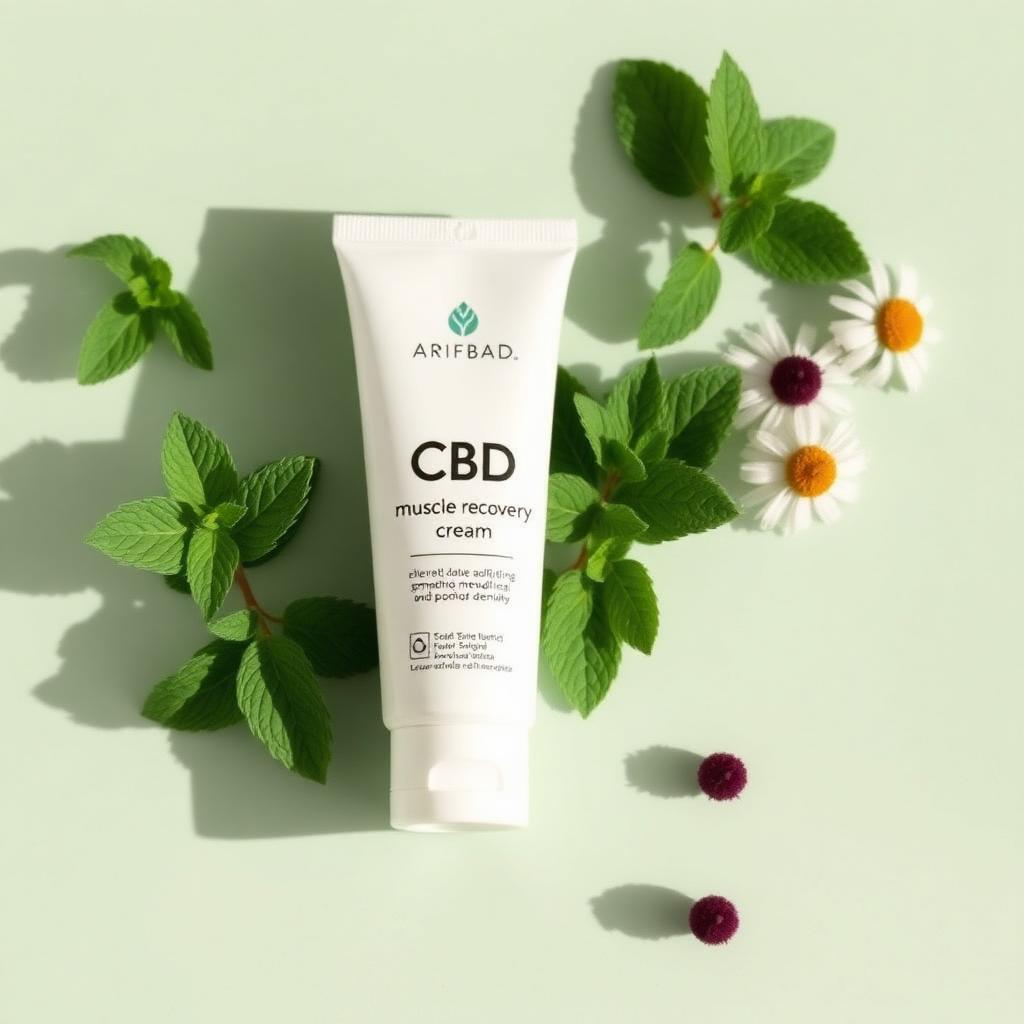 Athlete favorite
Cooling broad-spectrum CBD cream with menthol, arnica, and magnesium for tired muscles after training.
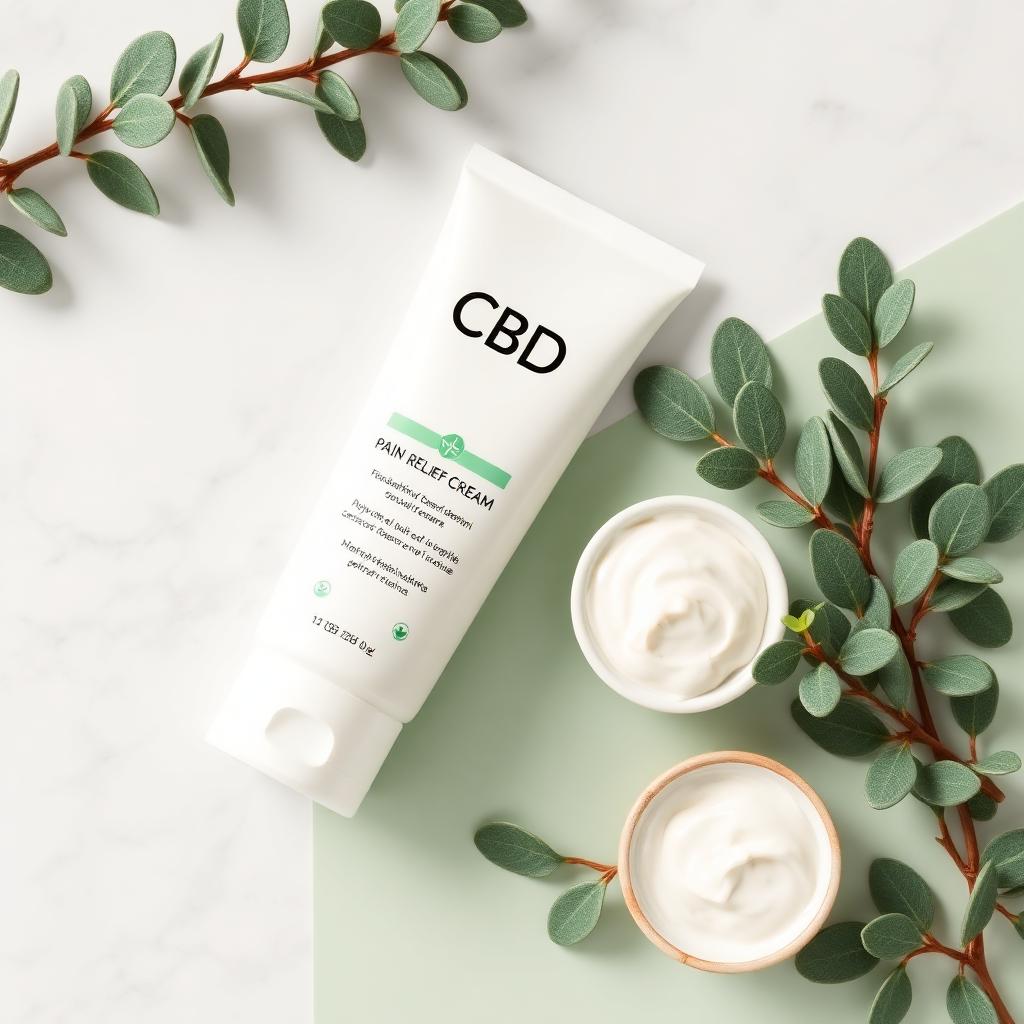 Cooling
Our CBD Pain Relief Cream is a cooling, non-greasy topical with 1500 mg of broad-spectrum, THC-free hemp extract, menthol and arnica, made for massaging into tired muscles and stiff spots after a long day or a workout.
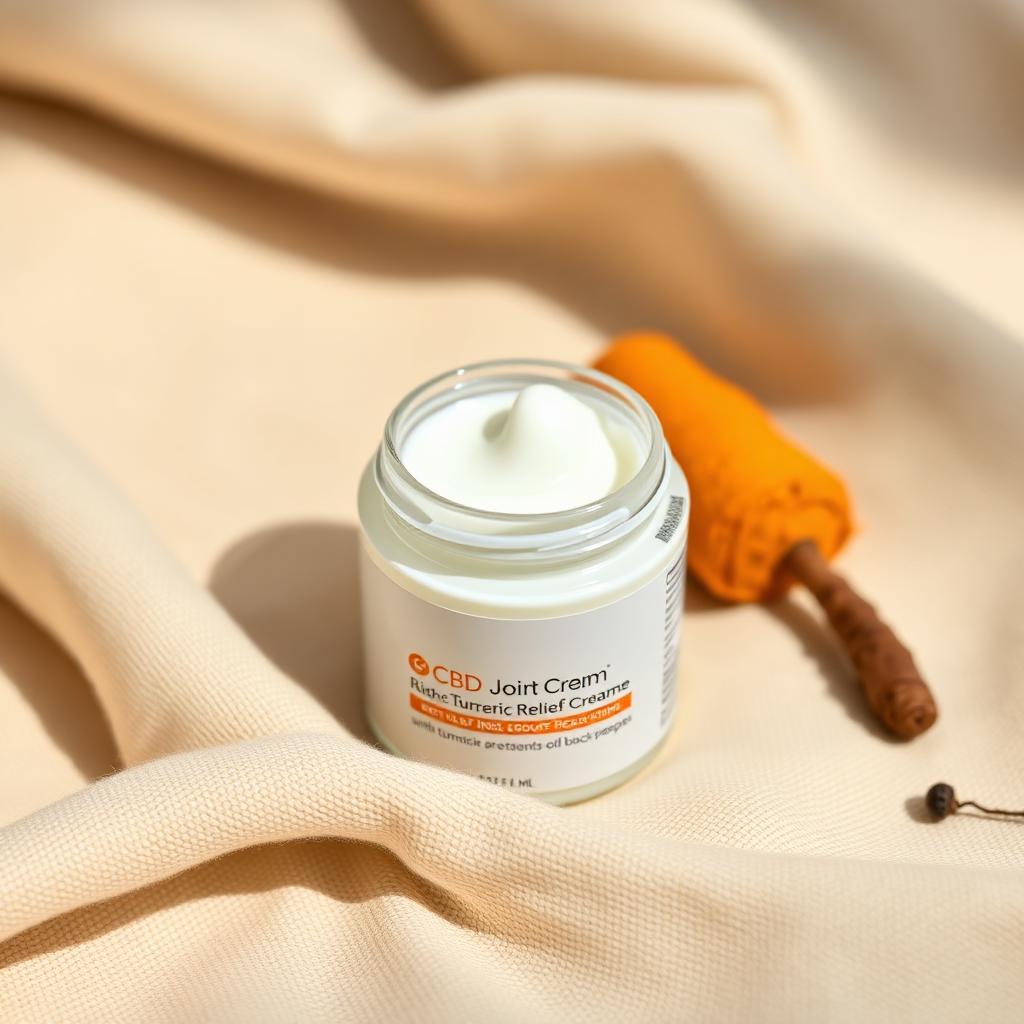
A rich CBD cream with turmeric, boswellia, and black pepper for daily joint and hand care.