How to Use CBD Cream for Sore Muscles After Exercise
11 min read · July 21, 2026
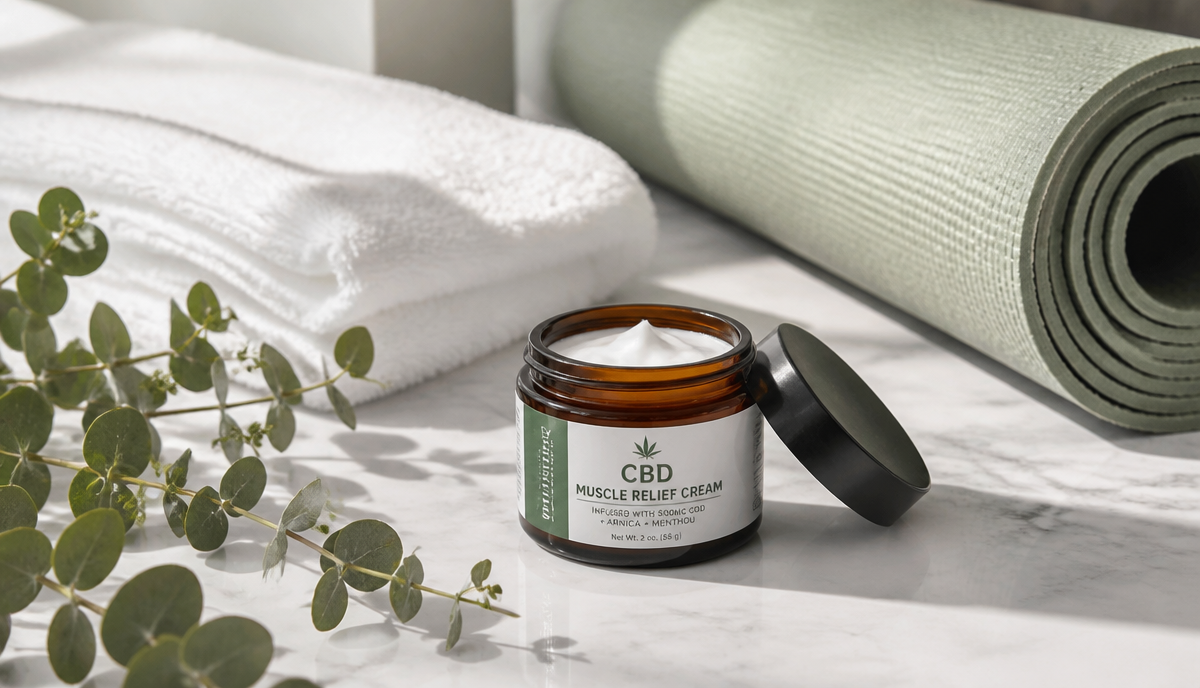
If you've ever struggled to walk down stairs the day after leg day, you already know what delayed onset muscle soreness feels like. The short answer to using CBD cream for sore muscles after exercise: clean the area, apply a dime-to-quarter-sized amount to the sore muscle, massage it in fully, and give it 15 to 45 minutes to take effect. Most people apply it once or twice a day, right after a workout and again before bed if soreness lingers.
That's the quick version. But there's more worth knowing before you rely on it, including what the research actually shows, because the honest answer is more nuanced than most product pages let on. CBD cream isn't a cure for sore muscles, and it isn't a substitute for proper warmup, hydration, and rest. What it can offer is a simple, non-medicated addition to a recovery routine — something you rub in as part of a post-workout ritual, alongside the basics that actually do the heavy lifting for recovery.
What Causes Muscle Soreness After Exercise?
The soreness you feel a day or two after an intense workout has a name: delayed onset muscle soreness, or DOMS. It shows up most after new movements, heavier loads than usual, or exercises with a lot of eccentric motion — think the lowering phase of a squat or a slow bicep curl release.
DOMS happens because exercise creates tiny amounts of damage in muscle fibers, which triggers a local inflammatory response as your body repairs the tissue. That inflammation is part of why the area feels tender, stiff, and sometimes swollen for a day or two afterward.
This is different from acute pain during a workout, which can signal an actual injury like a strain or sprain. DOMS is a normal, temporary response to unfamiliar or intense exercise, and it typically peaks around 24 to 72 hours after the workout before fading on its own.
What Is CBD Cream?
CBD cream is a topical product infused with cannabidiol, a non-intoxicating compound derived from the hemp plant. Unlike THC, the compound responsible for the 'high' associated with cannabis, CBD doesn't produce intoxicating effects, and legally sold hemp-derived CBD products contain no more than 0.3% THC.
CBD creams are meant to be applied directly to the skin over the area you want to target, rather than swallowed or taken as a tincture under the tongue. Many formulations also include complementary ingredients like menthol, arnica, or essential oils, which contribute their own cooling or warming sensations.
It's worth being clear about something here: the FDA does not currently regulate CBD topicals as drugs, and no CBD cream is approved to treat, cure, or prevent any disease or medical condition. Reputable brands should provide a certificate of analysis (COA) from an independent lab, confirming what's actually in the product and that THC levels meet the legal limit. You can view our own Lab Testing & COAs for every product we sell.
How CBD Cream Works
CBD interacts with the body's endocannabinoid system, a network of receptors involved in regulating pain signaling, inflammation, and other functions. When applied to the skin, CBD is thought to interact with cannabinoid receptors in nearby skin and tissue rather than entering the bloodstream in significant amounts, which is part of why topical CBD is generally considered a localized approach rather than a whole-body one.
Here's where it's important to be straightforward: the science on topical CBD specifically for exercise-induced muscle soreness is still limited and mixed. A few small clinical studies have directly tested this. One randomized, placebo-controlled pilot study measured perceived soreness and blood myoglobin (a marker of muscle damage) in physically active adults after intense lower-body exercise, and found no significant difference between the CBD cream group and the placebo group. A separate crossover study using a CBD gel after repeated drop jumps reported similar results: no significant improvement in perceived soreness or muscle damage markers compared to placebo.
That doesn't necessarily mean CBD cream does nothing for everyone. These studies involved small sample sizes, single dosing strategies, and short time frames, and researchers involved have noted that the current evidence is inconclusive rather than a definitive 'no.' Broader research on CBD's anti-inflammatory properties, much of it from animal and preclinical studies, suggests biological mechanisms that could plausibly support some localized effect, but human clinical trials designed specifically around post-exercise topical use are still catching up.
According to Harvard Health, there's more consistent evidence for CBD's role in areas like sleep, anxiety, and certain types of chronic pain than for exercise recovery specifically, and researchers there have been clear that enthusiasm for CBD has outpaced the science in many areas. In short, plenty of people use CBD cream as part of their recovery routine for the sensation, the massage, and the ritual, but it isn't a scientifically confirmed muscle-soreness treatment, and no responsible seller should tell you otherwise.
Step-by-Step Guide to Using CBD Cream
Here's how to apply CBD cream for sore muscles after a workout, from start to finish.
Step 1: Clean the area. Wash and dry the sore muscle group before applying the cream. This helps the product absorb evenly and reduces the chance of trapping sweat or bacteria under the layer of cream.
Step 2: Do a patch test if it's your first time. Apply a small amount to a coin-sized patch of skin and wait 24 hours to check for irritation, especially if you have sensitive skin or known allergies to botanical ingredients.
Step 3: Apply a dime-to-quarter-sized amount. Start with a modest amount rather than covering the area heavily. You can always apply more next time if needed.
Step 4: Massage it in thoroughly. Rub the cream into the skin using firm, circular motions for 30 to 60 seconds. This isn't just about spreading the product; the massage itself can help with local blood flow and muscle tension.
Step 5: Wash your hands. Unless your hands are also sore, wash off any leftover product to avoid accidentally transferring it to your eyes or other sensitive areas.
Step 6: Give it time. Most people report a sensation, whether from the CBD or the accompanying ingredients like menthol, within 15 to 45 minutes. Reapply based on your product's label instructions, typically no more than two to three times per day.
When Should You Apply CBD Cream?
Timing depends on what you're trying to support. Many people apply CBD cream immediately after a workout, while muscles are still warm, to make it part of their cooldown routine. Others prefer applying it before bed on days when soreness is worse, since that's often when stiffness feels most noticeable.
If you're dealing with DOMS that peaks a day or two after a hard session, don't assume the cream needs to be applied only right after exercise. Applying it during the 24- to 72-hour window when soreness is at its worst is just as reasonable, and for many people, more relevant.
There's no strong evidence pointing to one 'ideal' time of day for topical CBD, so this largely comes down to what fits your schedule and feels most useful to you.
Tips for Better Muscle Recovery
CBD cream works best as one small piece of a broader recovery approach, not a replacement for the fundamentals. Research on CBD itself is still developing: Mayo Clinic notes that further research is needed to determine CBD's benefits and safety, and the NIH's National Center for Complementary and Integrative Health summarizes what studies have and haven't shown so far. Everyday recovery habits that are commonly recommended alongside training include:
Stay hydrated. Drinking enough fluid around exercise is a basic part of looking after your body.
Prioritize sleep. Sleep is when your body rests and recovers, so consistent, adequate sleep matters for anyone who trains.
Warm up and cool down. Easing into and out of hard sessions is a widely recommended training habit.
Use active recovery. Light movement, like walking or easy cycling, can feel better than complete rest when you're stiff.
Consider massage or foam rolling. Many people find these helpful for how sore muscles feel.
Eat enough protein. Protein is part of a balanced diet that supports training.
Pairing CBD cream with these habits, rather than using it as a standalone fix, is the more realistic way to think about it.
Common Mistakes to Avoid
Using too much product at once. More cream doesn't necessarily mean more relief, and it can waste product without added benefit.
Skipping the patch test. Botanical ingredients in muscle creams, including essential oils and menthol, can cause skin irritation in some people. A quick patch test avoids an unpleasant surprise.
Applying to broken or irritated skin. Open cuts, rashes, or sunburned skin shouldn't be treated with any topical cream, CBD or otherwise, without checking with a healthcare provider first.
Expecting it to replace medical care. Persistent pain, swelling that doesn't improve, or soreness that feels different from typical DOMS should be evaluated by a doctor rather than managed with a topical product alone.
Buying products without a certificate of analysis. Skipping this step means you can't confirm what's actually in the product or that it meets the legal THC limit.
Assuming all CBD creams are the same strength. Concentration varies significantly between brands and products, so what worked at one strength from one brand may not translate directly to another.
Frequently Asked Questions
See the FAQ section below for answers to common questions about how to use CBD cream after exercise, how often to apply it, whether it reduces inflammation, THC content, and when to talk to a doctor.
Conclusion
CBD cream isn't a miracle fix for sore muscles, and being upfront about that matters more than any marketing claim. What it can be is a simple, low-risk addition to a recovery routine that already includes the basics: hydration, sleep, proper warmups, and giving your body time to repair itself.
If you're curious to try it, apply it thoughtfully, pair it with habits that have stronger research behind them, and choose a product that's transparent about its lab testing and ingredients. Ready to build a more complete recovery routine? Explore Pure Leaf Relief's CBD recovery creams and check out our other recovery guides for more ways to support your body between sessions.
Frequently asked questions
- Can CBD cream help sore muscles after working out?
- Some people report that it helps as part of a recovery routine, but current clinical research on topical CBD specifically for post-exercise soreness is limited, and a few small studies have found no significant difference compared to a placebo cream.
- How do I apply CBD cream after exercise?
- Clean the area, apply a dime-to-quarter-sized amount, and massage it into the skin for 30 to 60 seconds. Wash your hands afterward unless you're also applying it there.
- How often should I use CBD cream after exercise?
- Most product labels recommend two to three applications per day. Follow the specific instructions on your product, since concentration and formulation vary.
- How long does CBD cream take to work?
- Many users report noticing a sensation within 15 to 45 minutes, though this varies by person and product, and 'working' often refers to a localized sensation from menthol or massage rather than a measured reduction in inflammation.
- What is the best CBD cream after a workout?
- The best choice depends on your preferences around scent, added ingredients like menthol or arnica, and concentration. Look for a product with a certificate of analysis from an independent lab, regardless of brand.
- Is CBD cream safe for athletes?
- Topical CBD is generally considered low-risk since it's not typically absorbed into the bloodstream in meaningful amounts. That said, athletes subject to drug testing should check current sport-specific regulations, since THC limits and testing policies vary by organization.
- Is CBD cream THC-free?
- Broad-spectrum and CBD isolate creams are formulated to contain no detectable THC, while full-spectrum products legally contain up to 0.3% THC. Check the product label and COA to know which type you're using.
- Can CBD cream get you high?
- No. CBD itself is non-intoxicating, and topical application doesn't produce the psychoactive effects associated with THC.
- Does CBD cream reduce inflammation?
- Preclinical and animal research suggests CBD has anti-inflammatory properties, but human clinical trials on topical CBD for exercise-related inflammation specifically have so far shown mixed or inconclusive results.
- Can I use CBD cream every day?
- Many people do use it daily as part of a routine, and topical CBD is generally well tolerated. If you notice skin irritation, discontinue use and consult a healthcare provider.
- Does CBD cream interact with medications?
- Oral CBD products can interact with certain medications, but topical CBD carries a lower risk since minimal amounts typically reach the bloodstream. Still, mention any CBD product use to your doctor, especially if you take other medications.
- Is CBD cream legal?
- Hemp-derived CBD products containing less than 0.3% THC are federally legal in the United States, though individual state laws can vary, so it's worth checking your local regulations.
- What's the difference between CBD cream and CBD oil?
- CBD cream is applied topically and designed for localized use, while CBD oil (a tincture) is typically taken orally or sublingually and can have broader, whole-body effects.
- Can CBD cream help with joint pain, not just muscle soreness?
- Some research and anecdotal reports point to potential benefits for localized joint discomfort, though as with muscle soreness, more high-quality human research is still needed to confirm this.
- Should I see a doctor before using CBD cream?
- If you have a skin condition, are pregnant or breastfeeding, or take other medications, it's a good idea to talk with a healthcare provider first, even though topical CBD generally carries a lower risk profile than ingested forms.
Shop the products in this article
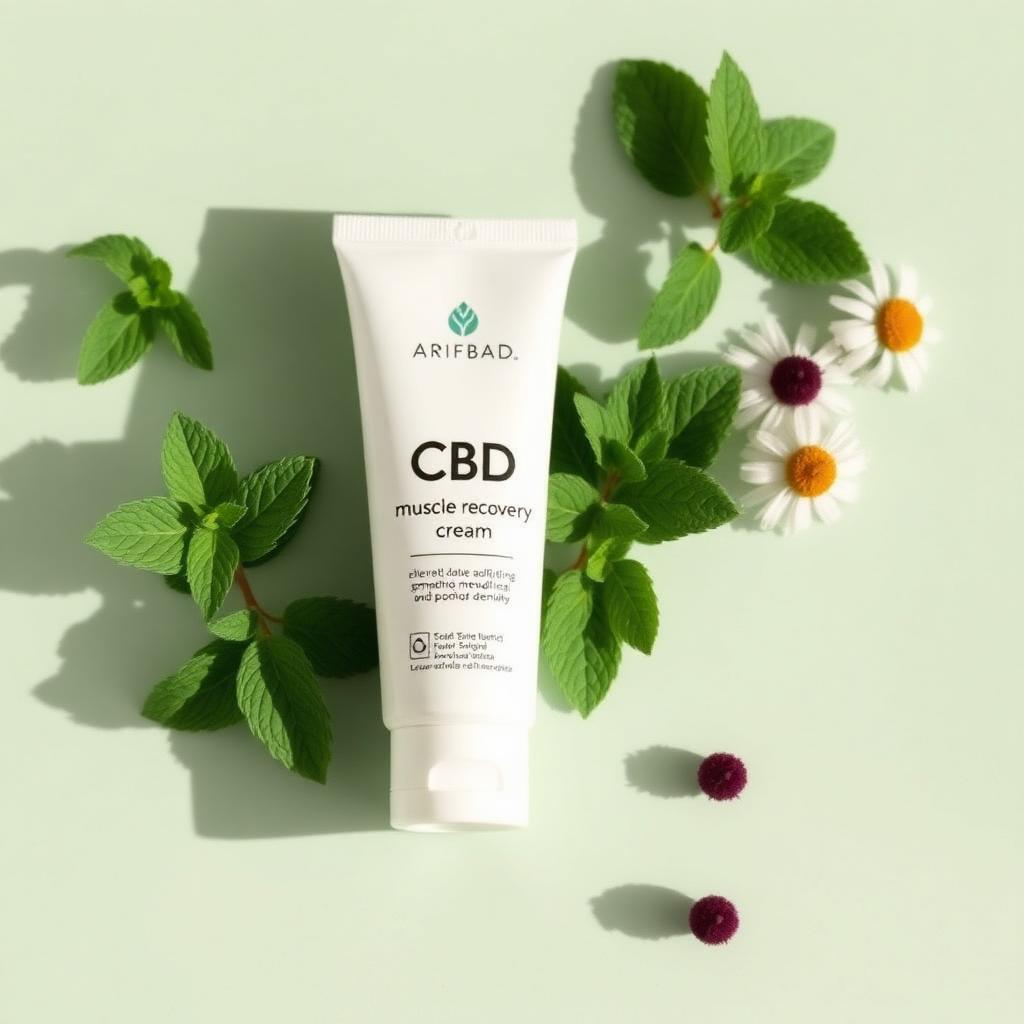 Athlete favorite
Cooling broad-spectrum CBD cream with menthol, arnica, and magnesium for tired muscles after training.
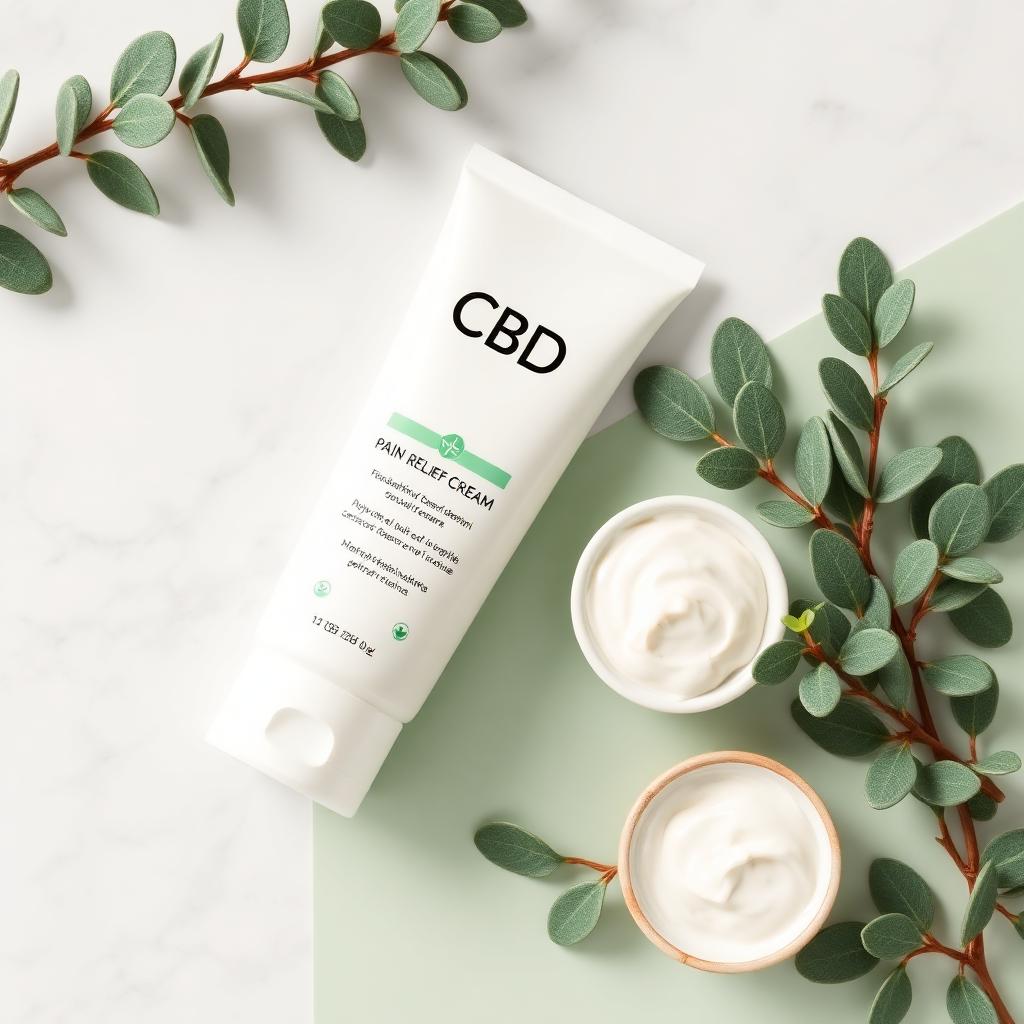 Cooling
Our CBD Pain Relief Cream is a cooling, non-greasy topical with 1500 mg of broad-spectrum, THC-free hemp extract, menthol and arnica, made for massaging into tired muscles and stiff spots after a long day or a workout.
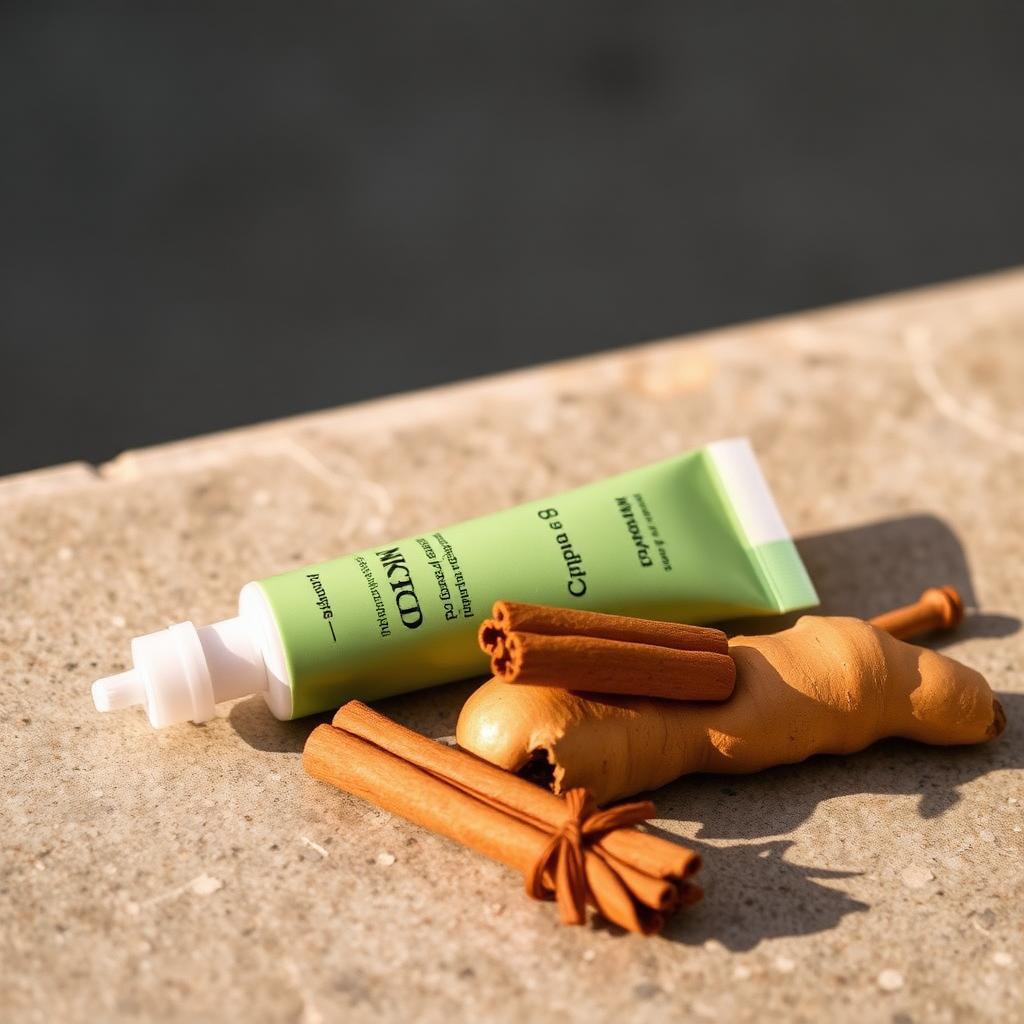
A warming broad-spectrum CBD balm with ginger, cinnamon, and capsicum for stiff, cold muscles.