Does CBD Cream Actually Work for Sore Muscles?
12 min read · July 21, 2026
Does CBD cream actually work for sore muscles? The honest, short answer: it might help some people feel some relief, but current clinical research on topical CBD specifically for exercise-related soreness is limited, and a few small controlled studies have found no significant difference between CBD cream and a plain placebo cream.
That's not the answer most product pages give you, but it's the accurate one, and it's the one we'd want if we were the ones asking. This doesn't mean CBD cream is worthless. It means the picture is more complicated than "yes" or "no." Some of that comes down to how CBD is thought to interact with the body, some comes down to the small size and short duration of the studies done so far, and some comes down to the simple fact that a warm massage with any cream can feel good regardless of what's in it.
This article walks through what CBD cream is, how it's believed to work, what the actual research says (including where it falls short), and how to think about whether it's worth trying for your own recovery routine.
What Is CBD Cream?
CBD cream is a topical product infused with cannabidiol, a compound extracted from the hemp plant. It's designed to be rubbed directly onto the skin over a specific area, rather than swallowed like a capsule or held under the tongue like a tincture.
CBD itself doesn't produce intoxicating effects. That's the job of THC, a different compound found in cannabis. Legally sold hemp-derived CBD products in the U.S. are required to contain no more than 0.3% THC, which is far below the threshold associated with any psychoactive effect.
Most CBD creams also include other ingredients that contribute their own sensations, like menthol for cooling, capsaicin for warmth, or arnica, which has its own long history in topical pain products. It's worth knowing which of these ingredients are doing what, since the effect you feel from a cream isn't always coming from the CBD alone.
One more important thing: the FDA doesn't currently regulate CBD topicals as approved drugs, and no CBD cream is approved to treat, cure, or prevent any medical condition. A reputable brand should provide a certificate of analysis (COA) from a third-party lab, confirming the actual CBD content and that THC stays under the legal limit. You can view our Lab Testing & COAs for every product we sell.
How Does CBD Cream Work?
To understand how CBD cream is thought to work, it helps to understand the endocannabinoid system, or ECS, in plain terms.
The ECS is a network of receptors found throughout the body, including in skin, muscle, and nerve tissue. Think of these receptors like tiny locks, and certain compounds, including CBD, act like keys that can interact with them. The ECS is involved in regulating things like pain signaling, inflammation, and mood, though the exact mechanisms are still being studied and aren't fully mapped out even in mainstream medical research.
When CBD cream is applied to the skin, the idea is that CBD interacts with cannabinoid receptors in the skin and nearby tissue, rather than traveling through the bloodstream the way an oral CBD product would. This is why topical CBD is generally considered a localized approach: it's aimed at a specific area rather than a whole-body effect.
Here's the key nuance: interacting with a receptor doesn't automatically mean a measurable clinical benefit follows. Preclinical and animal studies have shown CBD has anti-inflammatory properties in lab settings, and that's a genuinely interesting starting point. But translating "this compound does something interesting in a petri dish or in mice" into "this cream measurably reduces soreness in a person after leg day" requires human clinical trials, and that's exactly where the evidence gets thinner.
What Does Scientific Research Say?
This is the section that matters most, so let's be direct about it. A handful of small, controlled human studies have tested topical CBD specifically for exercise-induced muscle soreness.
One randomized, placebo-controlled pilot study tested CBD cream after a lower-body fatigue protocol with 28 participants, measuring perceived soreness and muscle performance. The result: no significant difference versus placebo or control.
A separate randomized crossover study used a CBD gel after drop jumps with 15 participants, measuring perceived soreness on a VAS scale and blood myoglobin (a muscle damage marker). Again, no significant impact on soreness or myoglobin levels versus placebo.
Both studies used small sample sizes, tested a single dosing approach, and measured results over a short time frame. Researchers involved in this area of study have described the current evidence as inconclusive rather than a firm "it doesn't work," partly because the doses, formulations, and application methods tested so far represent only a narrow slice of what's actually sold on the market.
Zooming out to CBD research more broadly, Harvard Health has noted there's more consistent evidence supporting CBD for certain uses, like sleep and some forms of chronic pain, than for exercise recovery specifically. The same Harvard Health review is candid that the marketing and enthusiasm around CBD products has, in its words, gone well ahead of the underlying science.
The NIH's National Center for Complementary and Integrative Health similarly notes that while there's growing interest in minor cannabinoids and their role in pain management, more rigorous research is still needed to understand their actual mechanisms and effectiveness. This isn't unique to CBD; it reflects how early we still are in understanding a lot of cannabinoid science broadly.
None of this means people don't feel something when they use CBD cream. It means we can't yet say with confidence, based on rigorous human trials, that the CBD itself is the reason for that feeling, as opposed to the massage, the cooling sensation from menthol, or a placebo effect, all of which are real and valid reasons someone might keep reaching for a product, just not the same as "clinically proven."
Can CBD Cream Help Sore Muscles?
Given everything above, here's a fair way to frame the answer: CBD cream may contribute to a feeling of relief for some people, but it isn't currently backed by strong clinical evidence as an effective treatment for exercise-induced muscle soreness specifically.
This distinction matters. There's a difference between saying "This product is clinically proven to reduce muscle soreness" (not supported by current evidence) and "This product is a low-risk addition to a recovery routine that some people find enjoyable and potentially helpful" (a fair, honest description).
If you're deciding whether to try it, it may help to think about it the way you'd think about a warm bath after a hard workout. A warm bath probably isn't going to show up as a statistically significant recovery intervention in a clinical trial either, but plenty of people find it genuinely comforting and worth doing regularly. CBD cream can reasonably sit in that same category for many users: a pleasant, low-risk part of a recovery ritual, rather than a medically proven treatment.
Benefits of CBD Cream
Setting aside the specific question of muscle soreness, here's what CBD cream can reasonably offer:
A localized, low-risk application method. Because it's applied to the skin rather than ingested, topical CBD generally carries a lower risk of interacting with other medications compared to oral CBD.
A pleasant sensory experience. The act of massaging a cream into sore muscles, combined with cooling or warming ingredients, can feel genuinely relaxing regardless of the underlying mechanism.
Non-intoxicating use. CBD cream won't produce a high, making it accessible for people who want to explore cannabinoid-based products without any psychoactive effect.
Easy incorporation into existing routines. It requires no special equipment or preparation, just application to the skin.
A THC-free option available. Broad-spectrum and isolate-based creams let people avoid THC entirely while still trying a cannabinoid-based topical.
Limitations of CBD Cream
To keep this article balanced, here are the honest limitations:
Limited clinical evidence for muscle soreness specifically. As covered above, the few controlled studies that exist haven't shown a significant effect compared to placebo.
Unregulated market. The FDA doesn't approve or regulate CBD creams as drugs, meaning product quality and labeling accuracy can vary significantly between brands.
No established optimal dose. Because rigorous human dosing studies are limited, there's no scientifically confirmed "ideal" concentration or amount for topical use.
Possible skin irritation. Ingredients like essential oils or menthol can cause irritation in some people, independent of the CBD itself.
Not a substitute for medical care. Persistent or worsening pain should be evaluated by a healthcare provider rather than managed with a topical product alone.
Who Can Use CBD Cream?
Most healthy adults can try topical CBD cream without significant concern, since minimal amounts are absorbed into the bloodstream compared to oral CBD products. That said, a few groups should be more cautious or check with a healthcare provider first:
Pregnant or breastfeeding individuals: limited safety research exists; consult a healthcare provider before use.
People with sensitive skin or known allergies: patch test first, since added ingredients can cause irritation.
People on blood thinners or other medications: topical CBD carries lower interaction risk than oral CBD, but it's still worth mentioning to a doctor.
Athletes subject to drug testing: check current sport-specific THC testing policies, since rules vary by organization.
People with broken or irritated skin: avoid applying any topical cream to open wounds or active rashes.
How to Choose a High-Quality CBD Cream
Since the market isn't tightly regulated, quality varies a lot between brands. Here's what to actually look for:
A certificate of analysis (COA). This third-party lab report should confirm CBD content and verify THC stays under 0.3%. If a brand doesn't provide one, that's a red flag.
Clear labeling of CBD type. Know whether you're buying full-spectrum (contains trace THC and other plant compounds), broad-spectrum (other compounds but no detectable THC), or isolate (pure CBD only).
Transparent ingredient list. Look for clarity on what else is in the formula, especially if you have sensitive skin or known allergies to specific botanicals.
Reasonable claims. Be cautious of any brand claiming their cream "cures," "treats," or "eliminates" pain or disease. Those are the kinds of claims the FDA and FTC have taken action against in the past.
Third-party testing beyond just potency. Ideally, a COA also checks for contaminants like heavy metals, pesticides, and residual solvents, not just cannabinoid content.
Quick reference before buying: check the COA to confirm actual CBD/THC content and screen for contaminants; confirm the CBD type to determine THC content and whether other cannabinoids are present; check ingredient transparency to identify potential irritants or allergens; review manufacturer claims to avoid overly strong medical promises; and look for batch testing consistency as a sign of ongoing quality control rather than a one-time test.
For a closer look at applying CBD cream as part of a workout recovery routine, see our guide on How to Use CBD Cream for Sore Muscles After Exercise. If you're curious about a THC-free option, our Post-Workout CBD Recovery Cream is broad-spectrum and lab-tested.
Frequently Asked Questions
See the FAQ section below for answers to common questions about whether CBD cream really works, how effective it is, how long it takes to work, whether athletes can use it, and what to look for in a high-quality product.
Conclusion
So, does CBD cream actually work for sore muscles? The most honest answer is: it might help some people feel better as part of a recovery routine, but it isn't currently backed by strong clinical evidence as a proven treatment for exercise-induced soreness, and the research that exists so far is limited and mixed.
That doesn't make it a bad product to try. It makes it a low-risk, non-intoxicating option worth trying with realistic expectations, ideally alongside recovery habits that have stronger evidence behind them, like sleep, hydration, and proper training load management.
If you're ready to try a CBD cream that's transparent about its ingredients and lab testing, explore Pure Leaf Relief's CBD recovery creams. And if you want the practical side of things, check out our guide on how to use CBD cream after a workout.
Frequently asked questions
- Does CBD cream really work?
- Some people report feeling relief when using CBD cream, but current clinical research on topical CBD for exercise-related muscle soreness specifically hasn't shown a significant benefit over placebo in the small studies conducted so far.
- Can CBD cream reduce muscle soreness?
- It might contribute to a feeling of relief for some users, but controlled studies measuring perceived soreness and muscle damage markers after exercise haven't found a statistically significant effect compared to placebo creams.
- How effective is CBD cream?
- Effectiveness varies by individual and hasn't been strongly established in clinical research specific to muscle soreness. It's reasonably considered a low-risk addition to a recovery routine rather than a proven treatment.
- Does CBD cream help after exercise?
- Some users find it a pleasant part of their post-workout routine, though rigorous evidence supporting a measurable physiological benefit for exercise-induced soreness specifically is still limited.
- Can athletes use CBD cream?
- Yes, generally, since topical CBD carries a lower risk of significant systemic absorption. Athletes subject to drug testing should still check their sport's specific THC policies before use.
- How long does CBD cream take to work?
- Many users report noticing a sensation, often from accompanying ingredients like menthol, within 15 to 45 minutes of application, though this varies by product and individual.
- Should I apply CBD cream before or after a workout?
- There's no strong evidence pointing to one ideal time. Many people apply it after exercise as part of a cooldown routine, while others prefer applying it later when soreness peaks, typically 24 to 72 hours after exercise.
- What is the endocannabinoid system?
- It's a network of receptors throughout the body involved in regulating functions like pain signaling and inflammation. CBD is thought to interact with these receptors, though the exact mechanisms are still being researched.
- Is CBD cream the same as CBD oil?
- No. CBD cream is applied to the skin for localized use, while CBD oil is typically taken orally or sublingually and can have broader, whole-body effects.
- Does CBD cream get absorbed into the bloodstream?
- Topical CBD is generally absorbed minimally into the bloodstream compared to oral forms, which is part of why it's considered more localized in its effect.
- Is CBD cream legal?
- Hemp-derived CBD products containing less than 0.3% THC are federally legal in the U.S., though state laws vary, so it's worth checking local regulations.
- Can CBD cream interact with medications?
- Topical CBD carries a lower interaction risk than oral CBD, since less reaches the bloodstream, but it's still worth mentioning any CBD product use to your doctor, especially if you take other medications.
- What should I look for in a high-quality CBD cream?
- A certificate of analysis from a third-party lab, clear labeling of CBD type, transparent ingredients, and reasonable (not exaggerated) product claims.
- Is more research needed on CBD cream for muscle soreness?
- Yes. Current studies are small, short-term, and limited in scope. Researchers in this space have been clear that more, and larger, clinical trials are needed before firm conclusions can be drawn.
- Who can use CBD cream?
- Most healthy adults can try topical CBD cream with minimal concern. Pregnant or breastfeeding individuals, people with sensitive skin or allergies, those on blood thinners, athletes subject to drug testing, and people with broken skin should consult a healthcare provider or patch test first.
Shop the products in this article
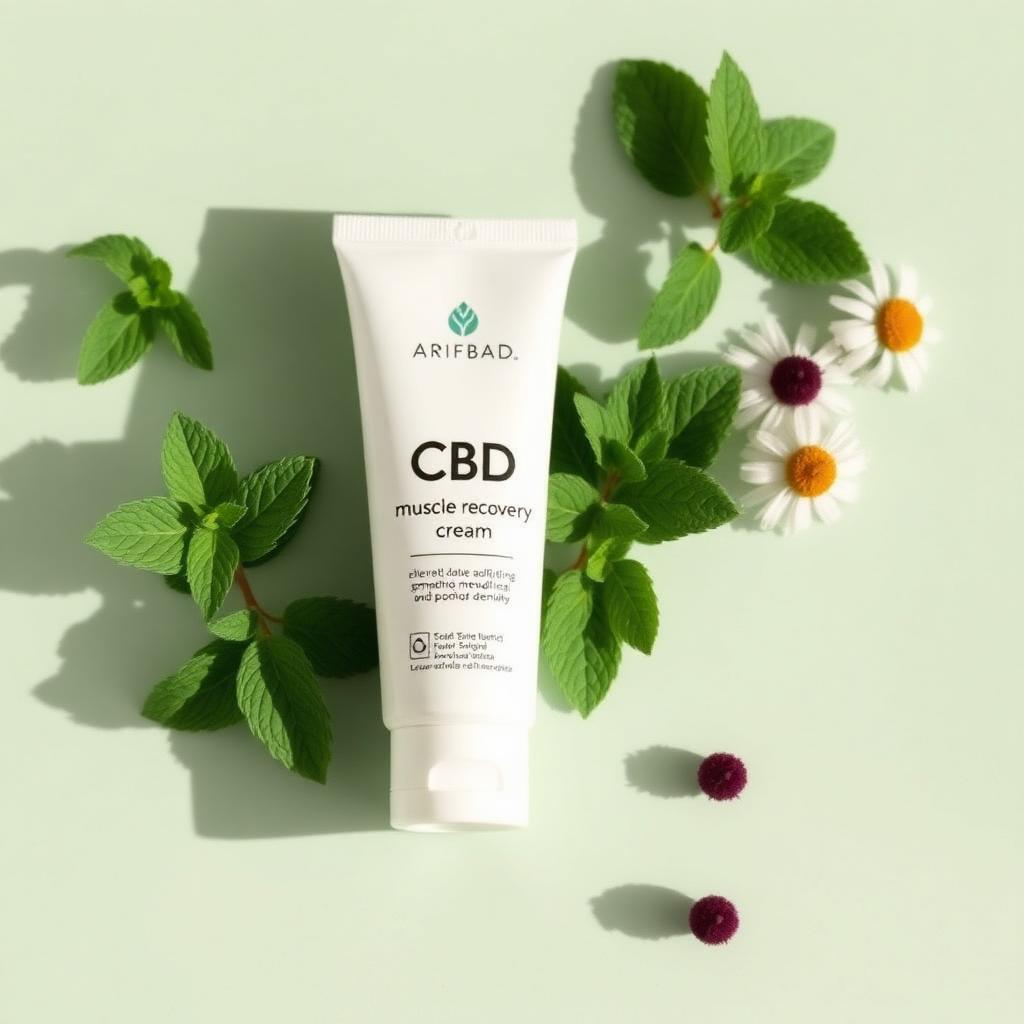 Athlete favorite
Cooling broad-spectrum CBD cream with menthol, arnica, and magnesium for tired muscles after training.
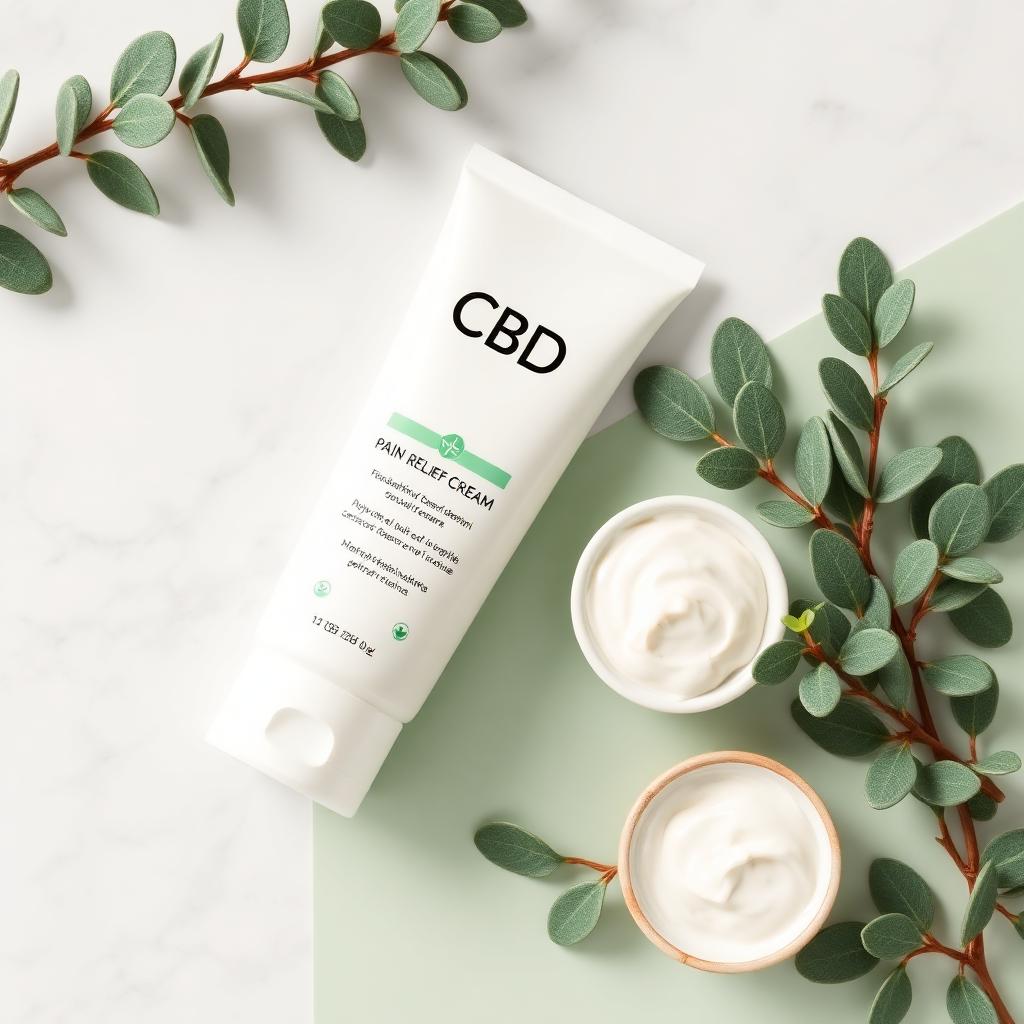 Cooling
Our CBD Pain Relief Cream is a cooling, non-greasy topical with 1500 mg of broad-spectrum, THC-free hemp extract, menthol and arnica, made for massaging into tired muscles and stiff spots after a long day or a workout.
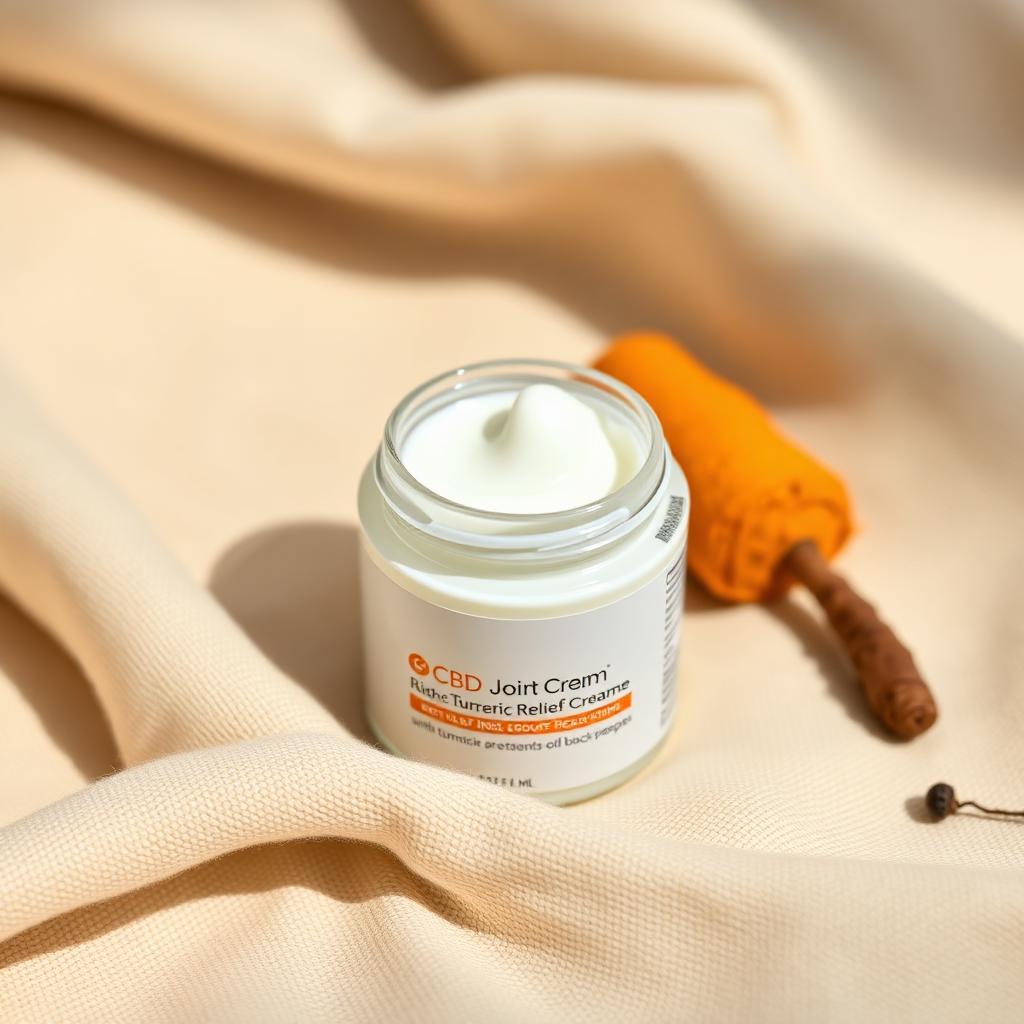
A rich CBD cream with turmeric, boswellia, and black pepper for daily joint and hand care.