Organic CBD Bath Bombs: How to Evaluate Ingredients and Certifications
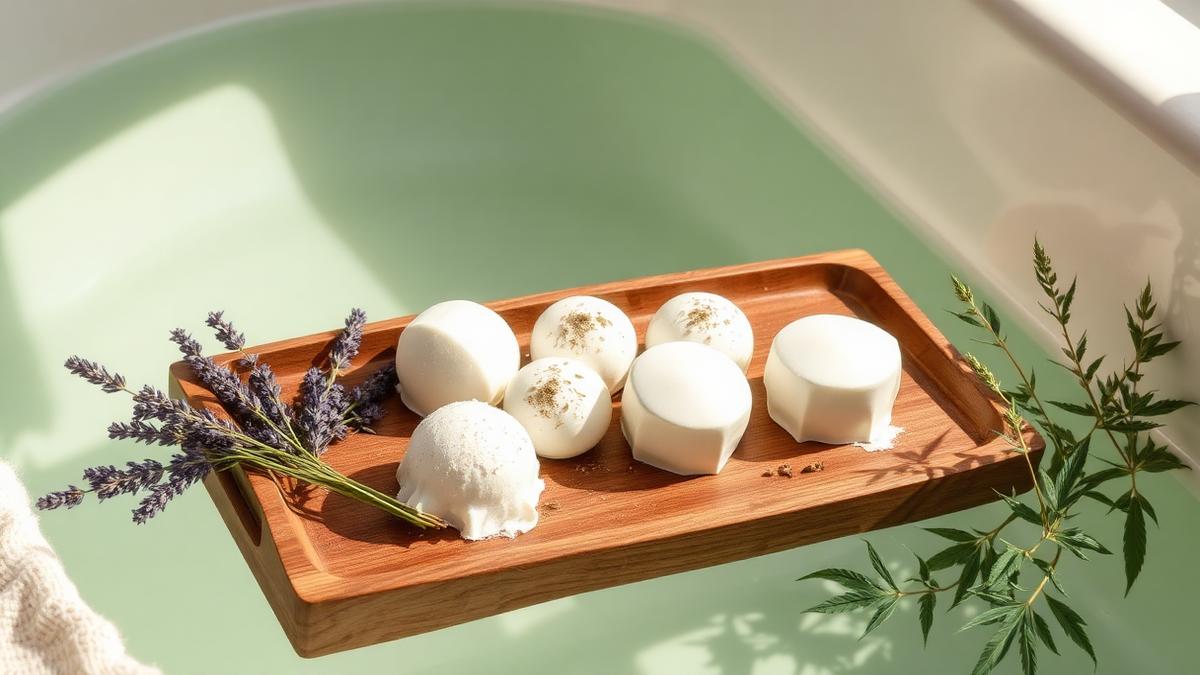
A bath bomb says "organic" and "natural" on the package. Sounds good. But what do those words actually prove?
Often, not much on their own. When you shop for organic CBD bath bombs, three checks help the most: read the full ingredient list, look for organic details you can verify, and open the lab report. This guide shows you how to do each one, and which warning signs to watch for.
What Are Organic CBD Bath Bombs?
A bath bomb is a ball of dry ingredients. You drop it in the tub. It fizzes as it dissolves and can add scent, color, and oils to the water.
CBD stands for cannabidiol. It is a compound found in cannabis plants. A CBD bath bomb may mix hemp-derived CBD with other ingredients, such as baking soda, citric acid, oils, fragrances, or plant extracts.
"Organic" is meant to say something about how farm ingredients were grown and handled. A product can contain some organic ingredients and still not be a certified organic finished product. We will get to that below.
This guide does not say that CBD bath bombs treat any condition. It also does not promise that CBD goes through the skin or has a certain effect. The FDA says it has seen only limited data about CBD safety, and there is much about CBD it does not know.
How to Read the Ingredient List
The full ingredient list tells you more than a few nice words on the front. Turn the package over.
Check the Main Ingredients
Here are common bath bomb ingredients and what they do:
- Sodium bicarbonate is baking soda. It is a base part of the fizz.
- Citric acid reacts with the baking soda to make the fizzing.
- Oils or butters, such as coconut oil or shea butter, help bind the ball and add feel.
- Fragrance or essential oils add scent.
- Hemp extract or CBD is what makes it a CBD product.
- Colorants and other additives change how it looks.
Not every bath bomb has all of these. Judge the whole list, not one ingredient.
Look for Clear Hemp and CBD Information
Three terms look alike but are not the same:
- Hemp seed oil comes from hemp seeds. It is not the same as CBD extract.
- Hemp extract may contain CBD, but the label needs more detail to show what is in the product.
- CBD or cannabidiol should be named clearly if it is an ingredient.
Look for a stated CBD amount per bath bomb or per package. Check which one the number covers. For example, a box that says "100 mg" and holds 4 bath bombs has 25 mg in each. If the amount is missing or unclear, ask the seller.
Check Fragrance and Other Ingredients
Fragrances and essential oils can bother some people's skin. If you know you are sensitive, read the ingredient names with care and follow the directions on the product.
Do not treat all synthetic ingredients as harmful. Do not treat all plant-based ones as safe. Either can cause a reaction in someone.
What Does "Organic" Really Mean?
The meaning of an organic claim depends on the product, its ingredients, and the labeling rules that apply.
Understand USDA Organic Labels
The USDA sets the rules for the word "organic" on agricultural products. It says the FDA does not define or regulate the term "organic" for cosmetics and personal care products. If a body care product has farm ingredients and can meet USDA organic rules, it may be certified under those rules. The farms, the handlers of the ingredients, and the maker of the final product must all be certified by a USDA-accredited certifier. After that, the product can use the same four labeling categories as other products. The FDA's cosmetic safety and labeling rules still apply too.
Here are the categories, from the USDA's labeling page:
- 100 percent organic: all organic ingredients, not counting salt and water. It may use the USDA organic seal.
- Organic: at least 95 percent organic ingredients, not counting salt and water. It may use the seal.
- Made with organic ___: at least 70 percent organic ingredients, not counting salt and water, with other rules for the rest. The label may name up to three organic ingredients or ingredient groups. It must not use the USDA organic seal.
- Specific organic ingredients listed in a product under 70 percent organic: the front of the package must not use the seal or the word "organic." Organic ingredients can only be named in the ingredient list.
These categories have set rules. They are not interchangeable.
The USDA says a product that is not certified must not make an organic claim on the front of the package or use the seal anywhere. It may only name certified organic ingredients as organic on the information panel. The seal may be used on products in the first two categories, but it is not a must for every qualifying product. So do not rely only on whether there is a logo.
Verify the Certification
Look for:
- The name of the certifier.
- A certification statement or other details you can check.
- What the certification covers. Is it the finished product or only some ingredients?
- A way to confirm the claim with the certifier or its official records, if available.
A generic "organic," "clean," or "natural" badge is not proof of USDA organic certification by itself.
Which Certifications and Quality Claims Should You Check?
Different marks prove different things. Not every badge is a government certification.
Organic Certification
A real organic certification shows that farming, processing, and handling followed the rules for that certification. It speaks to production. It does not show a product is safer, gentler, or more effective.
Cruelty-Free, Vegan, and Other Labels
- Vegan claims are about animal-derived ingredients.
- Cruelty-free claims are about animal testing, under the program or standard the brand used.
- Other quality or sustainability marks have their own rules.
Check what each mark covers. A vegan or cruelty-free label does not show a product is organic. A "natural" label does not show CBD strength.
Why Third-Party Lab Testing Matters
An independent lab is not owned by the brand. Its testing can give you more information about what is in a CBD product.
What Is a Certificate of Analysis?
A certificate of analysis, or COA, is a lab report. It lists test results for one sample. Look for:
- The product name or a description of the sample
- The lab's name
- The report date
- A batch or lot number you can match to your product
- The measured CBD content, if it was tested
- THC results, where they apply
- Contaminant tests, such as heavy metals, pesticides, or leftover solvents, where they apply to the ingredients and how the extract was made
Not every report tests for every possible contaminant. Read which tests were run.
How to Check Whether a Lab Report Matches the Product
- Find the QR code or the report link on the package or the seller's site.
- Check that the report names the same product.
- Match the batch or lot number, if there is one.
- Check the report date and the lab that issued it.
- Read the results themselves. Do not rely on a "lab tested" badge alone.
A COA only supports the sample and the tests it shows. It does not prove organic certification, overall safety, or that a product works.
Warning Signs to Watch for Before Buying
- The product says "organic" but gives no useful details about the claim.
- The ingredient list is missing, incomplete, or hard to follow.
- The seller makes strong medical promises.
- The seller says it does lab testing but shows no report, or no way to check one.
- The lab report does not match the product or batch for sale.
- The CBD amount is unclear, or the label and website disagree.
- There are no contact details or directions for use.
One missing detail does not prove a product is fake. But it is a good reason to ask questions or compare other products.
How to Choose Organic CBD Bath Bombs: A Simple Checklist
- ☐ Read the full ingredient list.
- ☐ Check that the organic claim is explained and can be verified.
- ☐ See whether certification covers the finished product or only some ingredients.
- ☐ Look for a clearly stated CBD amount.
- ☐ Review a relevant third-party lab report.
- ☐ Match the report to the product or batch.
- ☐ Check fragrance ingredients if you have sensitivities.
- ☐ Read the directions and warnings.
- ☐ Skip products that promise to cure or treat medical conditions.
Compare the evidence, not the packaging or the marketing words.
Frequently Asked Questions
- 1. Are all organic CBD bath bombs USDA certified?
- No. It depends on the product's claims, ingredients, and the rules that apply. A product with some organic ingredients is not automatically a certified organic finished product.
- 2. Does organic mean a CBD bath bomb is safer?
- No. Organic status is about production and labeling rules. It does not show that a product is safer, less likely to cause an allergy, or more effective.
- 3. What is the difference between hemp seed oil and CBD?
- Hemp seed oil comes from seeds. CBD is a compound found in cannabis plants. Do not assume hemp seed oil gives you CBD.
- 4. Should I buy a CBD bath bomb without a lab report?
- A relevant lab report you can reach helps you judge a product. If a seller claims testing but cannot back it up, ask for details or compare other products.
- 5. Can a bath bomb label say "organic" without showing the USDA seal?
- The seal is not required for every qualifying product. Organic claims on body care products depend on the USDA rules. Check the certification details instead of relying only on a logo.
Final Thoughts
When you look at organic CBD bath bombs, make three checks: the ingredients, whether the organic claim can be verified, and what the lab testing shows. Marketing words alone are not enough to show quality.
Compare labels, and ask the seller clear questions before you buy.