How to Choose a Third-Party Tested CBD Product Online
9 min read · July 13, 2026
If you have spent any time browsing CBD products online, you already know the problem: there are thousands of brands, endless marketing claims, and almost no way to tell which ones are actually trustworthy just by looking at the label. Learning how to choose a third-party tested CBD product online is the single most important skill you can develop before you buy — because it is the difference between a product that is accurately labeled and safe, and one that is little more than a guess in a bottle.
This guide breaks down exactly what third-party testing means, how to read the lab reports brands publish, and what to look for (and avoid) so you can shop with confidence. Whether you are brand new to CBD or simply want to be a more informed buyer, you will walk away knowing how to separate transparent, quality-focused companies from the rest of the market.
Why third-party testing matters more than ever
The CBD industry is still lightly regulated at the federal level, which means quality control is largely left up to individual brands. Some companies invest heavily in sourcing, testing, and transparency. Others cut corners. Without consistent regulation, the responsibility of verifying quality often falls on the consumer — and that is exactly why understanding lab testing is so valuable.
Independent studies have repeatedly found inconsistencies between what is on CBD labels and what is actually in the bottle, ranging from inaccurate CBD concentrations to the presence of contaminants. Third-party testing exists to close that gap. It gives you, the buyer, an unbiased way to verify a product's contents before it ever reaches your cart.
This is not about fear — it is about informed decision-making. Many customers choose CBD products as part of a broader wellness routine, and being able to trust what is in that product is foundational to that routine actually working the way you expect it to.
What 'third-party tested' actually means
'Third-party tested' means a product has been evaluated by an independent laboratory that has no financial stake in the brand's sales. This is different from a company simply saying its products are 'lab tested', which could mean the testing was done in-house.
In-house testing is performed by the brand itself, using its own equipment and staff. While not inherently dishonest, it creates an obvious conflict of interest — the company grading its own homework is not the same as an outside expert doing it.
Third-party or independent lab testing is conducted by an accredited facility unaffiliated with the brand. These labs analyze the product for cannabinoid content (to confirm CBD and THC levels match the label), pesticide residue, heavy metals, residual solvents from the extraction process, and microbial contaminants like mold or bacteria.
When a brand publishes these results publicly, usually as a downloadable Certificate of Analysis, that is a strong trust signal. When a brand does not, that is worth noticing too. See how we approach independent testing on our Lab Testing page.
How to read a Certificate of Analysis (COA)
A Certificate of Analysis, or COA, is the actual lab report generated after a product is tested. Learning to read one takes just a few minutes and instantly upgrades how you evaluate CBD products online.
Cannabinoid profile: this section lists the measured amount of CBD, THC, and other cannabinoids present in the product. Compare these numbers to what is advertised on the product label or website. A reputable brand's COA numbers should reasonably match the labeled potency.
Contaminant screening: look for a pass/fail or 'ND' (not detected) result across categories like pesticides, heavy metals, residual solvents, and microbials. This section tells you whether the product is free from substances that should not be there.
Batch number matching: every COA should correspond to a specific batch or lot number, which should also appear on the product packaging (often near a QR code). This matching system confirms the COA you are viewing actually applies to the bottle in your hands — not a different batch entirely. Request the current COA for any product on our Lab Testing page.
A step-by-step checklist before you buy
When you are ready to buy, run through this checklist. First, search for the COA before adding to cart. It should be easy to find, not buried in a footer link or missing entirely.
Second, confirm the lab is independent and accredited. A quick search of the lab's name should show it is a real, unaffiliated testing facility. Third, match the batch number so the COA corresponds to the exact product you are purchasing.
Fourth, check the cannabinoid totals and confirm CBD and THC levels align with what is advertised. Fifth, review the contaminant panel and make sure pesticides, heavy metals, solvents, and microbials all show a pass or 'not detected' result.
Sixth, look at the testing date — recent testing (ideally within the product's shelf life) is more reliable than a report from years ago. Seventh, read the ingredient list; fewer, recognizable ingredients are generally a good sign, especially in CBD topical products. Finally, research the brand's sourcing. Reputable companies are usually transparent about where their hemp is grown and how it is extracted.
Following this checklist takes a few extra minutes but dramatically reduces the chances of ending up with a mislabeled or low-quality product.
Red flags that signal a low-quality brand
Not every red flag is obvious at first glance. Watch for: no COA available anywhere on the website; COAs that are outdated, generic, or do not match batch numbers; aggressive medical claims (curing, treating, or diagnosing conditions); pricing that seems too low compared to the broader market; vague or missing sourcing information; no customer service contact information; and ingredient lists padded with unnecessary fillers or unlisted 'proprietary blends'.
If a brand is unwilling to show its work, it is reasonable to assume there may be something it does not want you to see.
How CBD products are made (and why it affects quality)
Understanding how CBD products are made helps explain why testing matters so much in the first place. The process generally includes cultivation (hemp is grown, ideally using organic or sustainable farming practices, since hemp readily absorbs substances from its soil), extraction (cannabinoids are pulled from the plant material, most commonly using CO2 extraction, which is considered a cleaner method than solvent-based alternatives), and refinement (the raw extract is filtered to remove unwanted plant material, and in the case of broad spectrum CBD, THC is removed while other beneficial compounds are retained).
From there comes formulation, where the refined extract is blended into a final product such as a CBD cream, tincture, or capsule, and finally testing, where the finished product is sent to an independent lab before (and often after) it reaches shelves.
Each step is an opportunity for quality control — or for shortcuts. Brands that publish testing at multiple stages, not just the final product, tend to demonstrate a higher level of process transparency.
Broad spectrum vs. full spectrum vs. isolate
Since this topic naturally comes up during any CBD product search, it is worth a quick breakdown. Full spectrum CBD contains the full range of naturally occurring cannabinoids, including trace amounts of THC (within the legal 0.3% limit). Broad spectrum CBD contains multiple cannabinoids like full spectrum, but the THC is intentionally removed, making it a popular choice for people who want a fuller hemp profile without any detectable THC. CBD isolate is pure CBD with no other cannabinoids present.
Many customers choose broad spectrum CBD products, including a CBD recovery cream formulated for an everyday wellness routine, because it offers a middle ground between the full hemp plant profile and a THC-free experience. Whichever type you choose, the same third-party testing principles apply — always verify the cannabinoid profile against the label.
Building a CBD wellness routine you can trust
Once you have found a brand that is transparent about testing and sourcing, the next step is figuring out how CBD topical products or other formats fit into your day. Many people incorporate CBD cream into a self-care routine after physical activity, during a morning or evening routine, or simply as part of general everyday wellness habits.
There is no single 'right' way to use CBD — consistency and product quality matter more than any specific ritual. Starting with a small amount, paying attention to how a product feels for you, and sticking with brands that are transparent about their testing are the fundamentals of a routine built on trust rather than guesswork. For a deeper walkthrough of the lab side, read How to Read a CBD COA.
Frequently asked questions
What does third-party tested CBD mean? It means an independent laboratory, not affiliated with the brand, has analyzed the product to verify its cannabinoid content and screen for contaminants like pesticides, heavy metals, and solvents.
How do I find a CBD product's Certificate of Analysis (COA)? Most transparent brands link directly to the COA on the product page, often through a QR code on the packaging or a batch number lookup tool on their website.
Is broad spectrum CBD the same as full spectrum CBD? No. Broad spectrum CBD contains multiple hemp-derived cannabinoids but has THC removed, while full spectrum CBD retains trace amounts of THC within the legal limit.
Can I buy CBD online safely? Yes, as long as you verify third-party lab testing, check batch-matched COAs, and choose brands that are transparent about sourcing and ingredients.
Does a low price mean a CBD product is lower quality? Not always, but unusually low prices compared to the broader market can be a sign of lower-quality hemp, incomplete testing, or diluted formulas — it is worth checking the COA before assuming a deal is legitimate.
What should I look for in a CBD cream ingredient list? Look for recognizable, purposeful ingredients rather than long lists of fillers, and confirm the hemp-derived CBD extract is clearly listed with its source and concentration.
How often should reputable CBD brands test their products? Ideally, every production batch should be tested, with COAs updated regularly so the reports reflect the specific batch currently being sold.
Is CBD legal to buy online in the United States? Hemp-derived CBD products containing less than 0.3% THC are federally legal under the 2018 Farm Bill, though it is still worth checking your specific state's regulations.
Final thoughts: shop smarter, not harder
Knowing how to choose a third-party tested CBD product online puts the power back in your hands as a consumer. Instead of relying on marketing claims or guesswork, you now have a practical framework — checking for independent COAs, matching batch numbers, reviewing contaminant panels, and watching for red flags — that you can apply to any CBD brand you are considering.
When choosing a CBD product, look for brands that provide transparent testing information and are willing to show exactly what is in their formulas. Pure Leaf Relief focuses on quality hemp-derived ingredients and third-party testing for every batch, because informed customers make the best long-term customers. Explore our lab-tested CBD collection and see the transparency for yourself before you buy.
Shop the products in this article
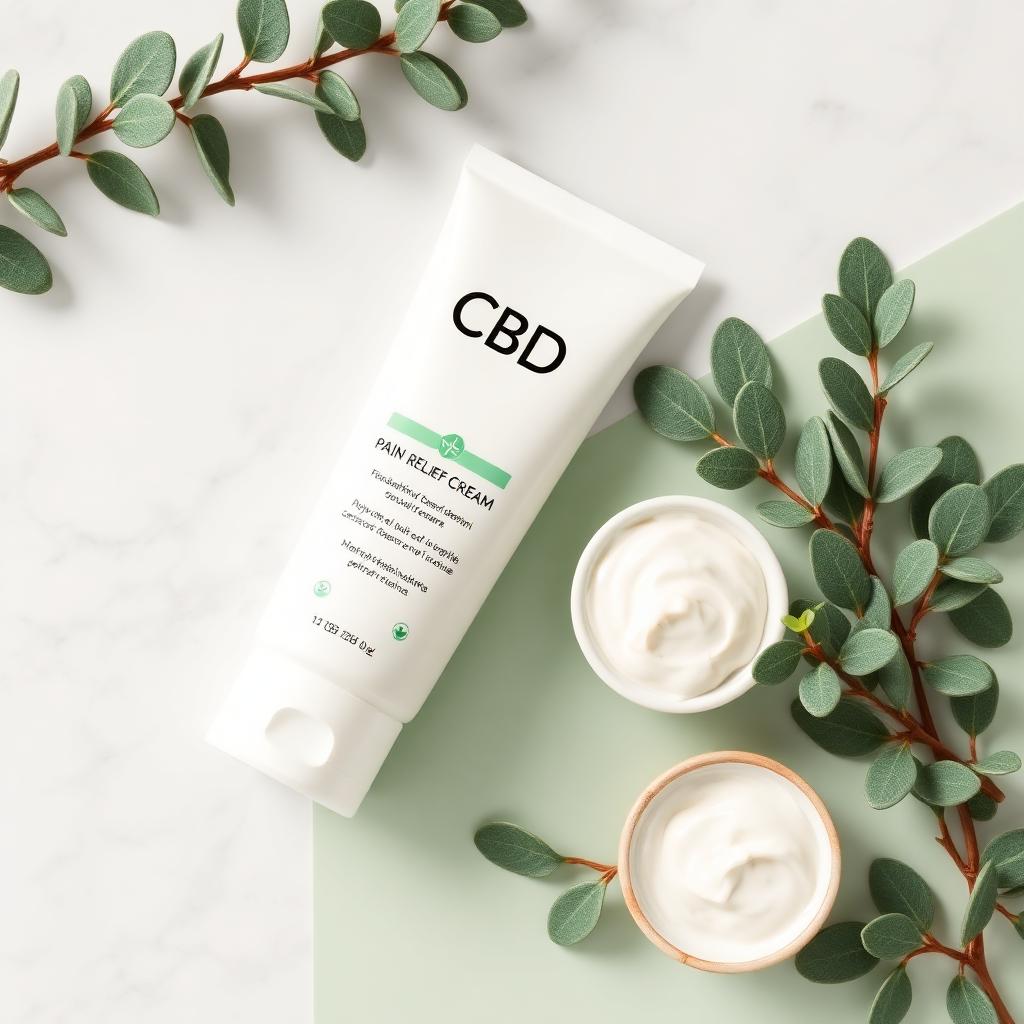 Fast relief
Our CBD Pain Relief Cream is designed to provide fast-acting relief for muscle soreness, joint pain, and inflammation. Made with premium CBD extract, this cream absorbs quickly and targets discomfort directly at the source.
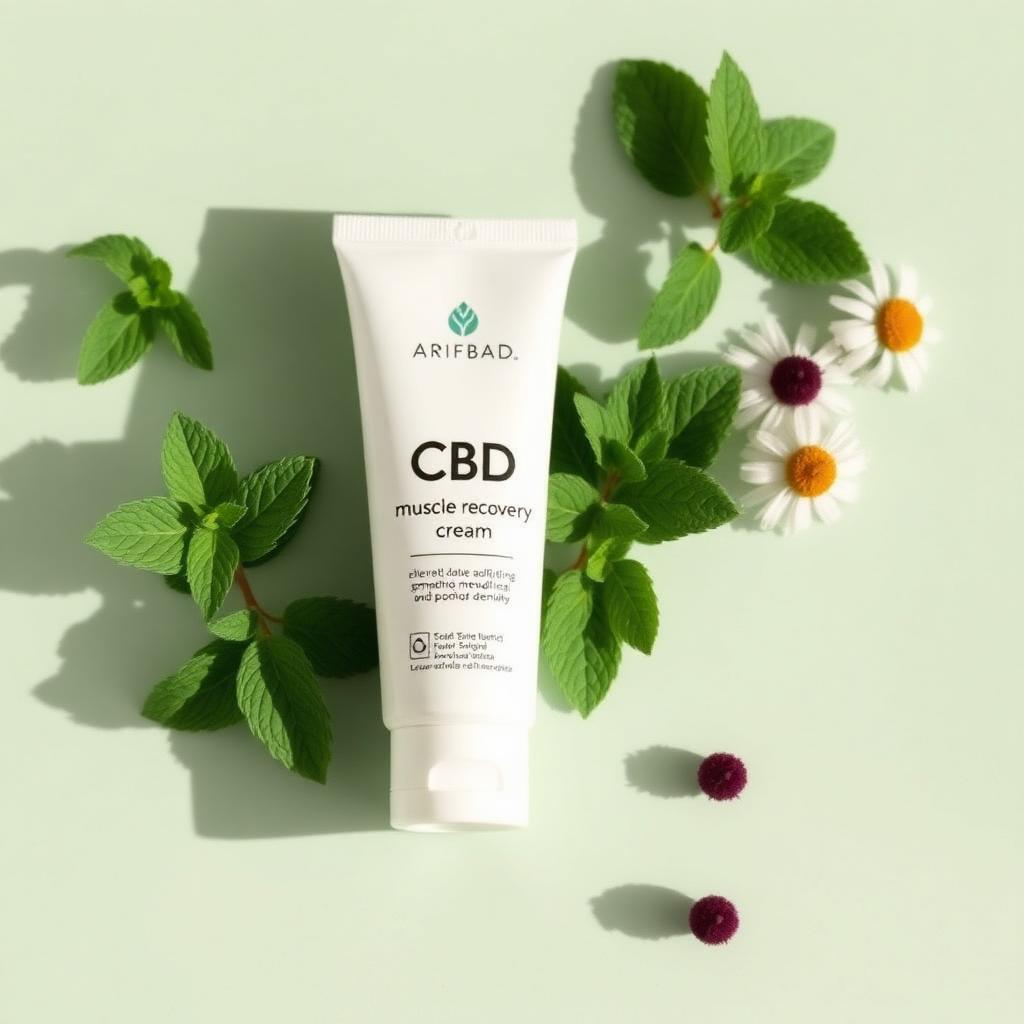 Athlete favorite
Cooling broad-spectrum CBD cream with menthol, arnica, and magnesium for tired muscles after training.
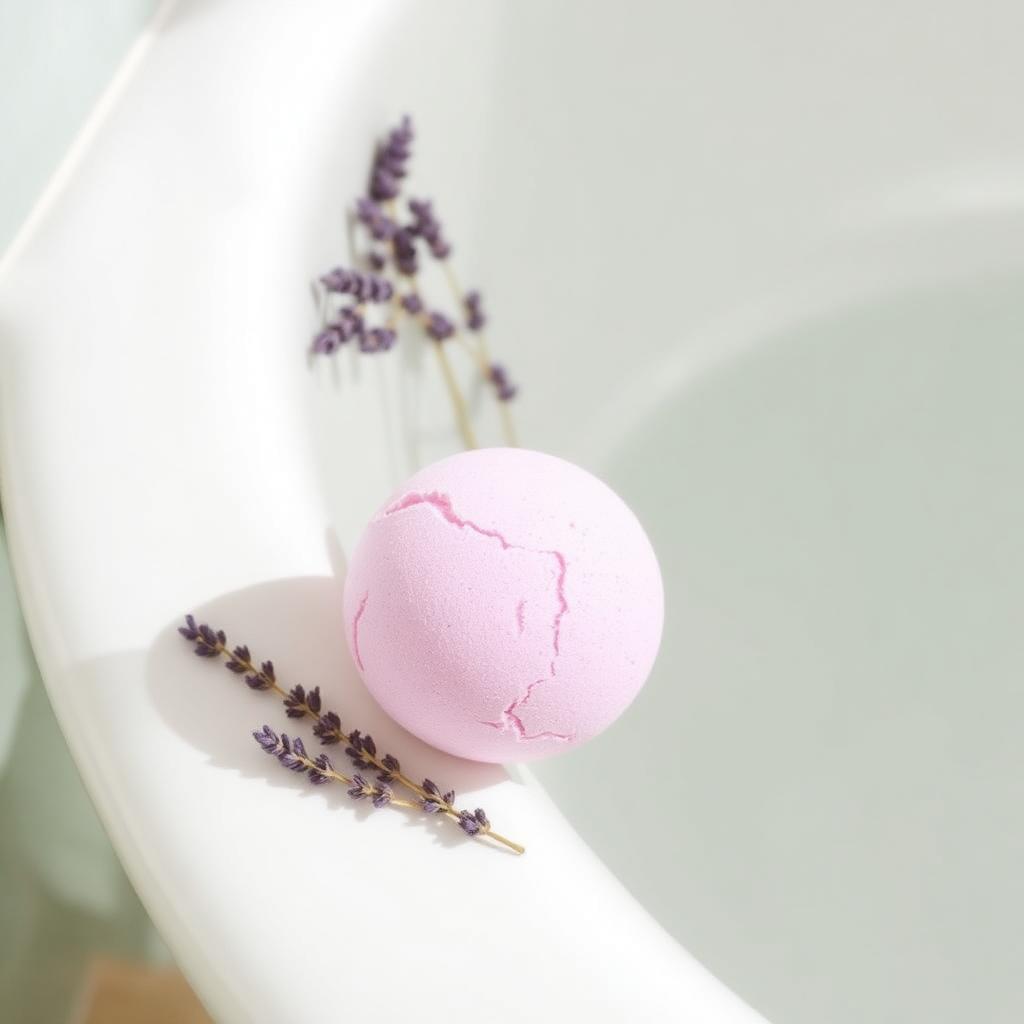 Bestseller
A 100 mg broad-spectrum CBD bath bomb hand-pressed with French lavender and Epsom salt for an unwinding evening soak.